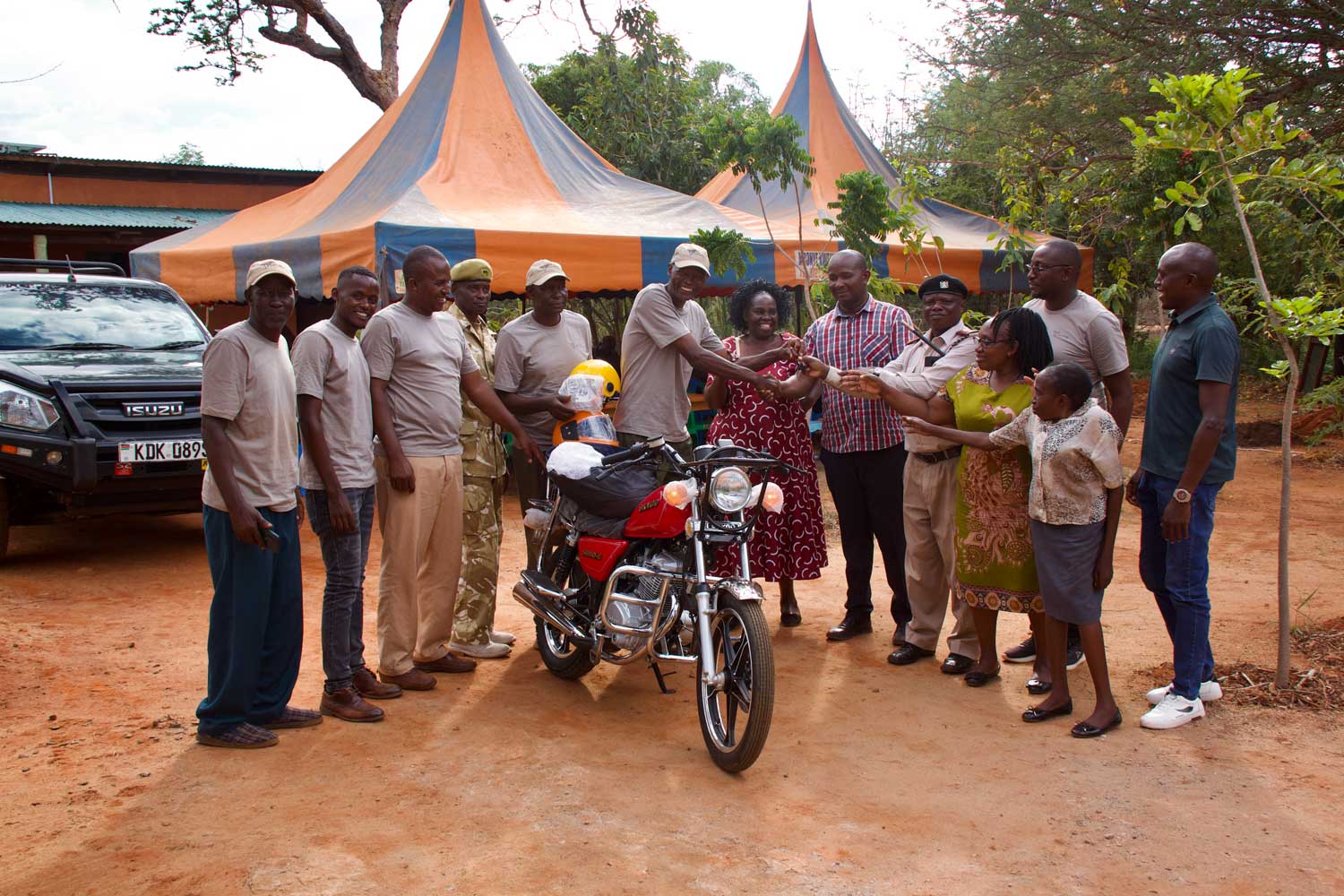
Conservation in Tsavo will not succeed without the support of the communities that share this landscape with wildlife. Our community work rests on a simple proposition: secure land tenure, strengthen local governance, mitigate human-wildlife conflict, and build durable livelihoods alongside it. It is working, and the wildlife has answered, with zebra, impala, elephant and even wild dog sightings on community land all rising over the past decade. An empowered community results in a secure TCA.
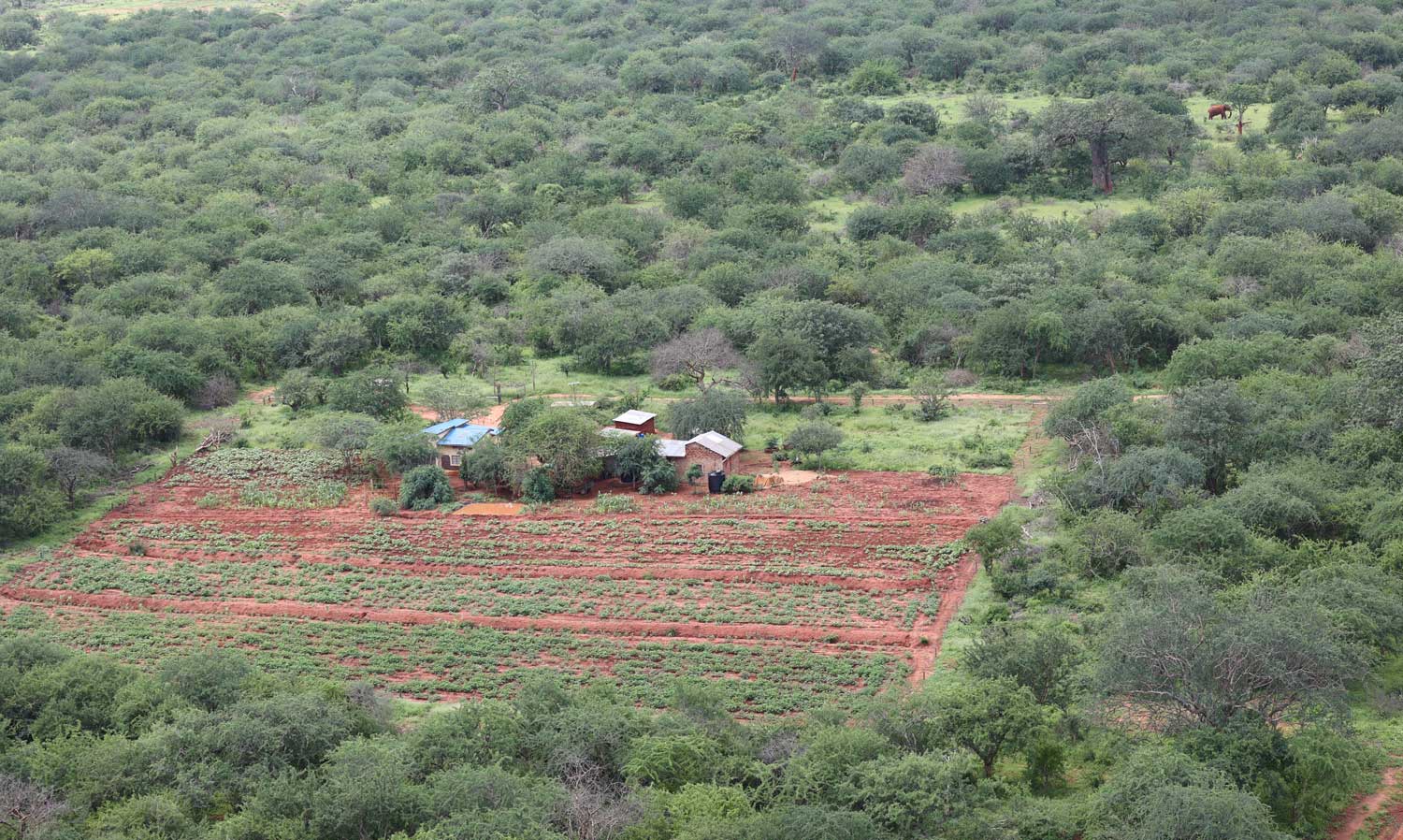
The Impact • Kamungi Conservancy, 2013–2025
82%
Fewer human-elephant conflicts
The community’s biggest win
Living alongside elephants, without losing the harvest.
Crop-raiding elephants were once the single greatest threat to livelihoods in Kamungi. Reported human-elephant conflict incidents have fallen from a peak of around 500 a year to only a few dozen, an 82% reduction that keeps farms, families and wildlife safe.
Behind that number is a full protection system: preventive measures, including the 33 km elephant exclusion fence, the 10% fence plans, and predator-proof bomas, plus a dedicated response vehicle that gives teams the mobility to reach incidents fast.
What sits inside this pillar
Climate Action and Clean Energy
Cleaner cooking, lower bills, less pressure on the bush. Solar power and efficient stoves are cutting fuel costs and firewood use across the conservancy.
239
Home solar systems installed since 2023
- 200 energy-saving cooking stoves built in Kamungi Conservancy
- 10 local youth trained, equipped and contracted as stove artisans
- Roughly 65% less firewood burned than a traditional three-stone fire
Water Security
Reliable water changes everything, for people, schools and crops. Rainwater harvesting, dam liners and the Ngiluni borehole are turning an unreliable supply into a dependable one.
63M+ L
Of water access enabled since 2017
- 132 water tanks provided to households and schools
- 140 households supported with dam liners since 2023
- 2 boreholes drilled, including Ngiluni
Climate-Smart Agriculture
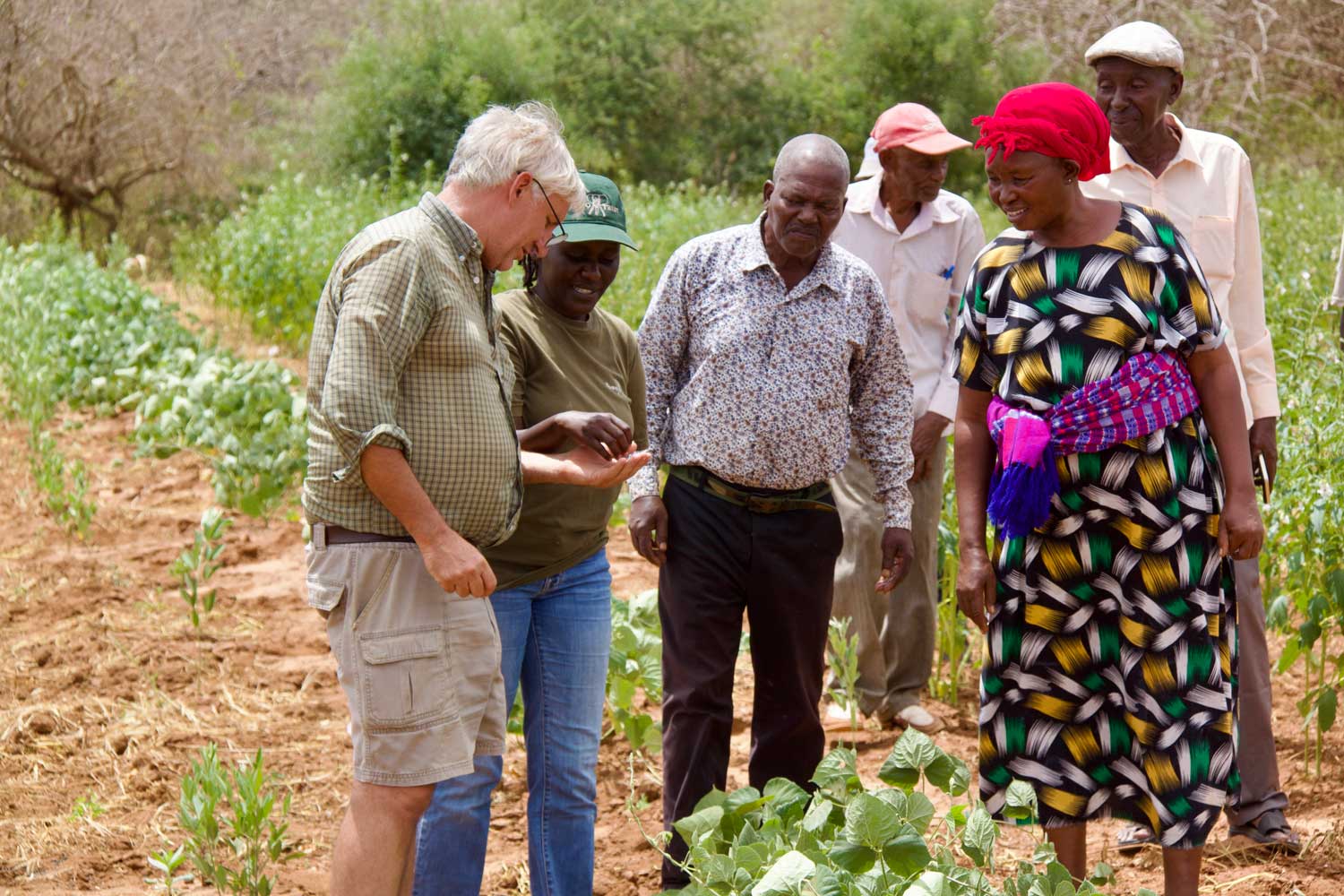
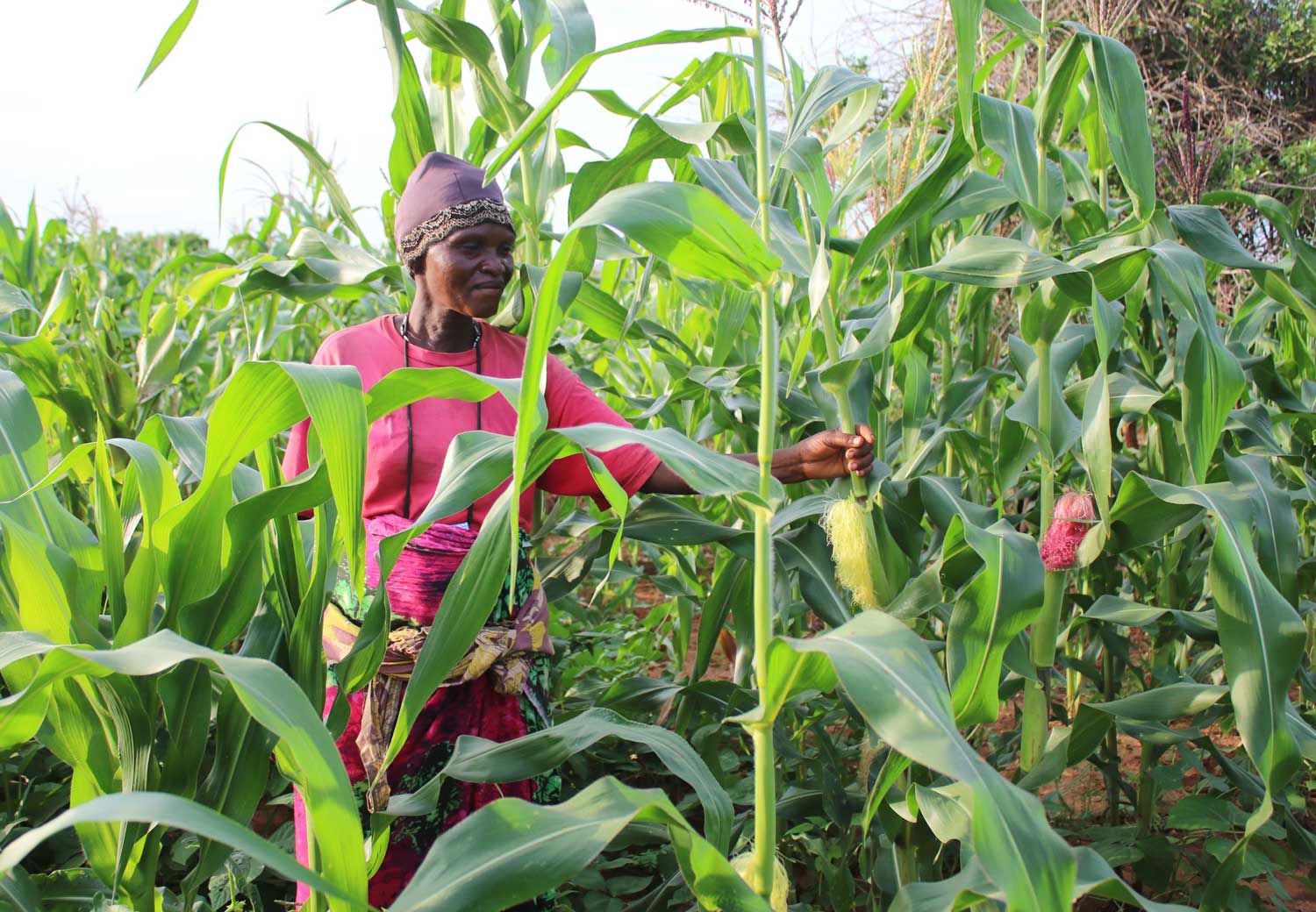
Better farming means less risk. Drought-tolerant crops, kitchen gardens and water-smart techniques are helping households farm through a harder climate.
548
Households trained in climate-smart agriculture
- 140 households supported with agricultural dam liners
- 135 farmers growing vertical and sack gardens
- Farmers linked to certified seed, technical expertise and markets
- 299.5 kg of honey produced and processed at the Kamungi processing room
Human–Wildlife Conflict Mitigation
Elephants and livelihoods now share the same ground. The 33 km Elephant Exclusion Fence, 19 individual 10% Fence Plans and 12 predator-proof bomas keep crops, homes and wildlife apart, backed by a professional snake handler on call.
82%
Fewer human-elephant conflicts since the fence went in
- 33 km Elephant Exclusion Fence maintained since 2021
- 19 individual 10% Fence Plans built for member households
- 12 predator-proof bomas built, with 28 more under construction
- 311 snakes safely removed from community areas since 2021
Education & Health
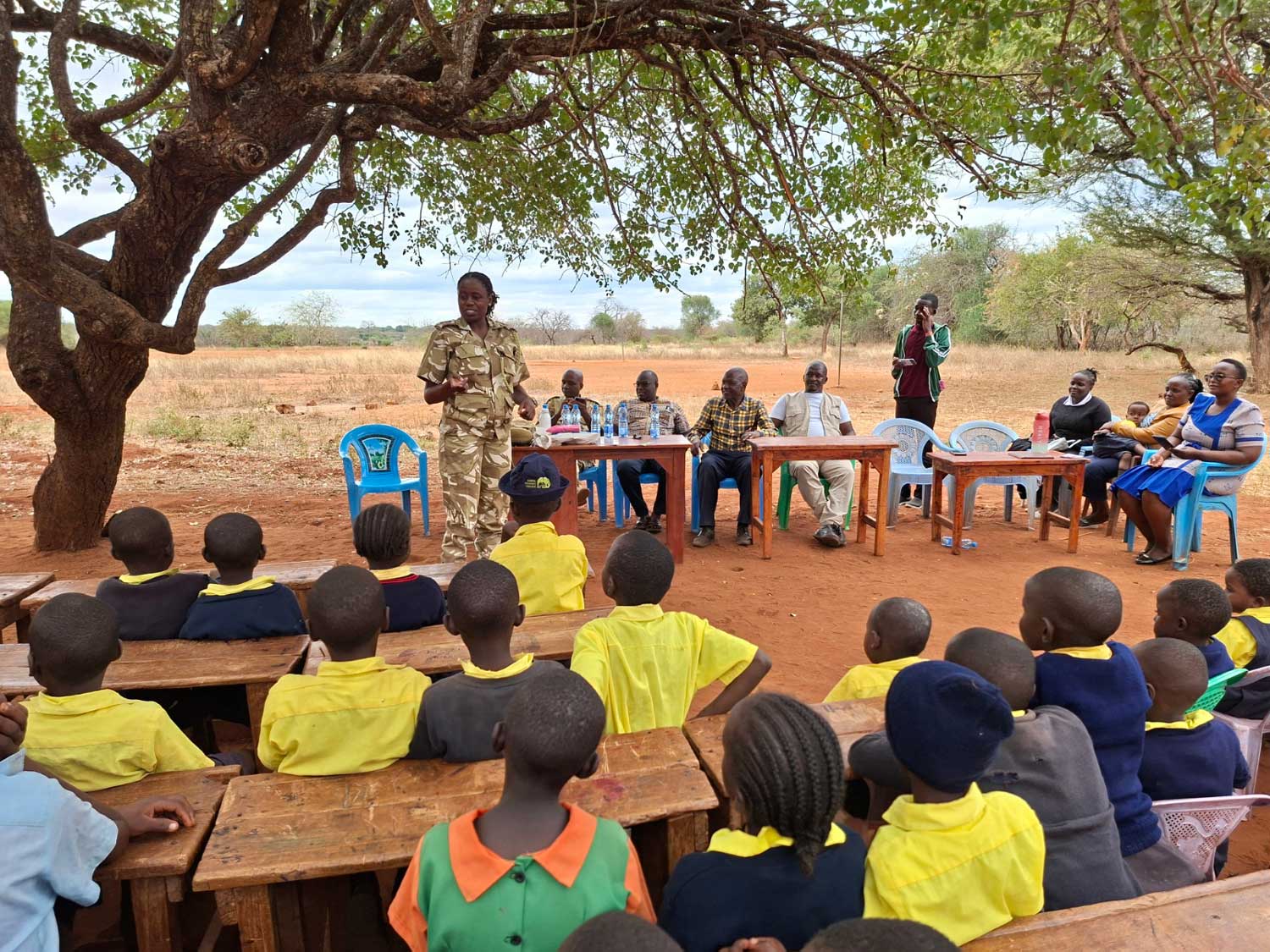
From the classroom to the clinic, Kamungi’s schools and dispensaries are better equipped than they have ever been.
11,107
Patients treated in 2025
- 14 schools supported, up from 2 a decade ago
- 210 laptops and 9 ICT hubs provided to schools
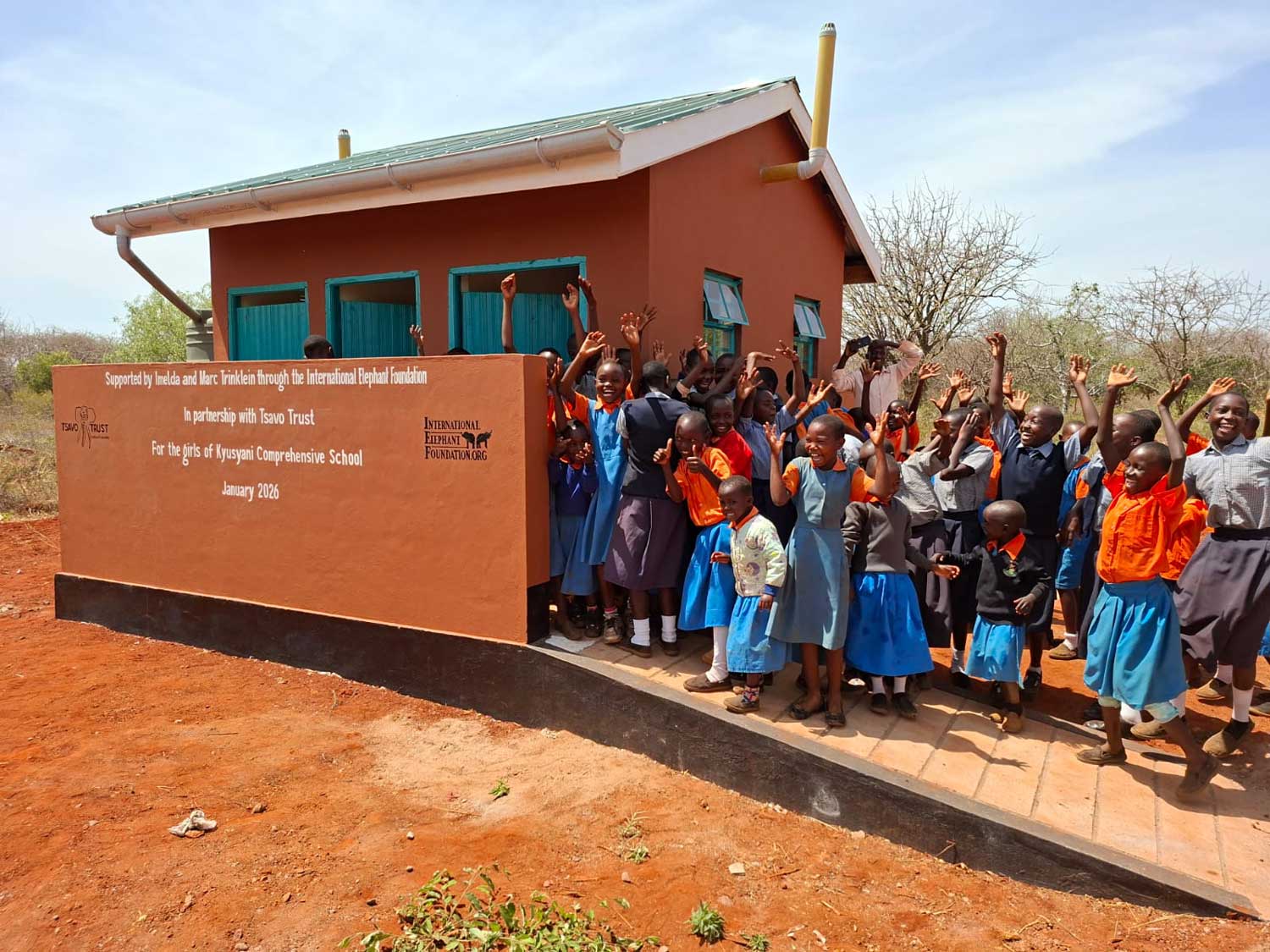
- Two ablution blocks and one science laboratory built
- 17 students on Tsavo Trust scholarships
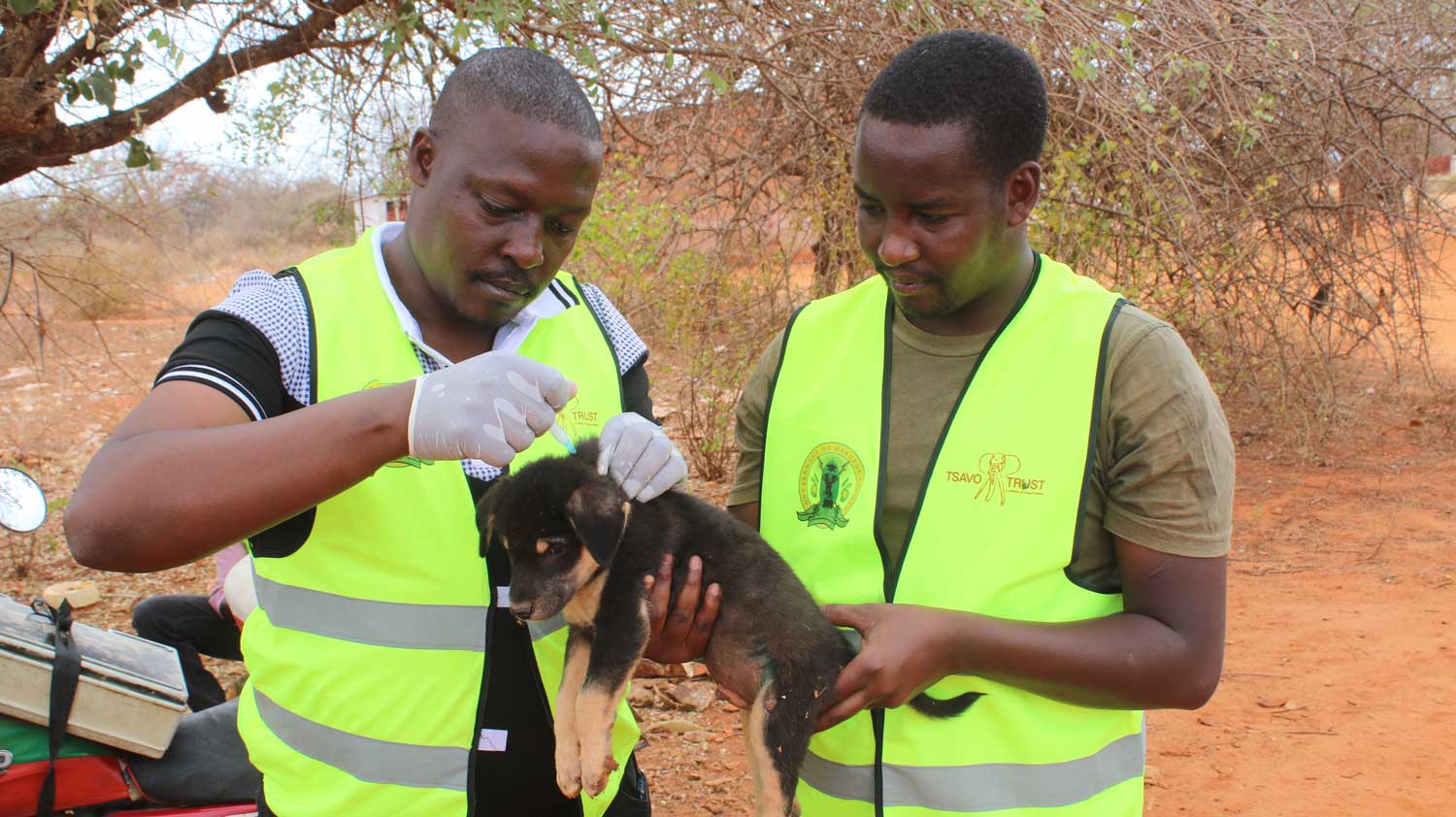
- 1,554 animals vaccinated against rabies, 2025–26
- 37,344 patients treated at supported dispensaries since 2018
Enterprise & Ecotourism
Every guest who stays at the Kamungi Bandas is investing directly in the conservancy. Tourism, honey and savings groups are building income that outlasts any single grant.
$14,915
Earned by Kamungi Bandas in 2025, its first full year
- Kamungi Bandas, community-owned, opened November 2024
- 5 village savings and loans groups established
- 3 income-generating streams established in the conservancy
- Women and youth supported through skills development and enterprise training
Proof it works
Wildlife is returning to community land.
Average sightings per wildlife transect in Kamungi Conservancy, 2019 compared with 2025. When conflict falls and habitat is protected, the animals come back.

Measuring what matters
Wellbeing and governance, tracked over time.
Impact is more than numbers of tanks and fences. Through structured Social Assessment for Protected and Conserved Areas (SAPA) processes and annual governance reviews, we track how community members themselves rate their livelihoods, their trust in the work, and how well the conservancy is run.