
The Impact
Across Africa, large carnivores are in steep decline. Lion numbers have roughly halved in recent decades, and the African Painted Wolf is now one of the continent’s most endangered predators, with only a few thousand left in the wild. The Tsavo Conservation Area remains a vital stronghold for both.
Carnivore work in Tsavo is led by KWS in partnership with WRTI. Tsavo Trust supports it on the ground, contributing monitoring, aerial reconnaissance, threat detection and community coexistence work, so that decisions about Tsavo’s lions and African Painted Wolves rest on real field evidence.

African Painted Wolf
Bringing the painted wolves into focus.
Also known as painted wolves, Tsavo’s African Painted Wolves were known to persist but had never been systematically monitored at scale. In support of KWS and WRTI, and working alongside other conservation partners, Tsavo Trust helped bring structured monitoring to Tsavo’s African Painted Wolves, now estimated at over 100 individuals across the landscape.
Lion
Protecting a Tsavo icon.
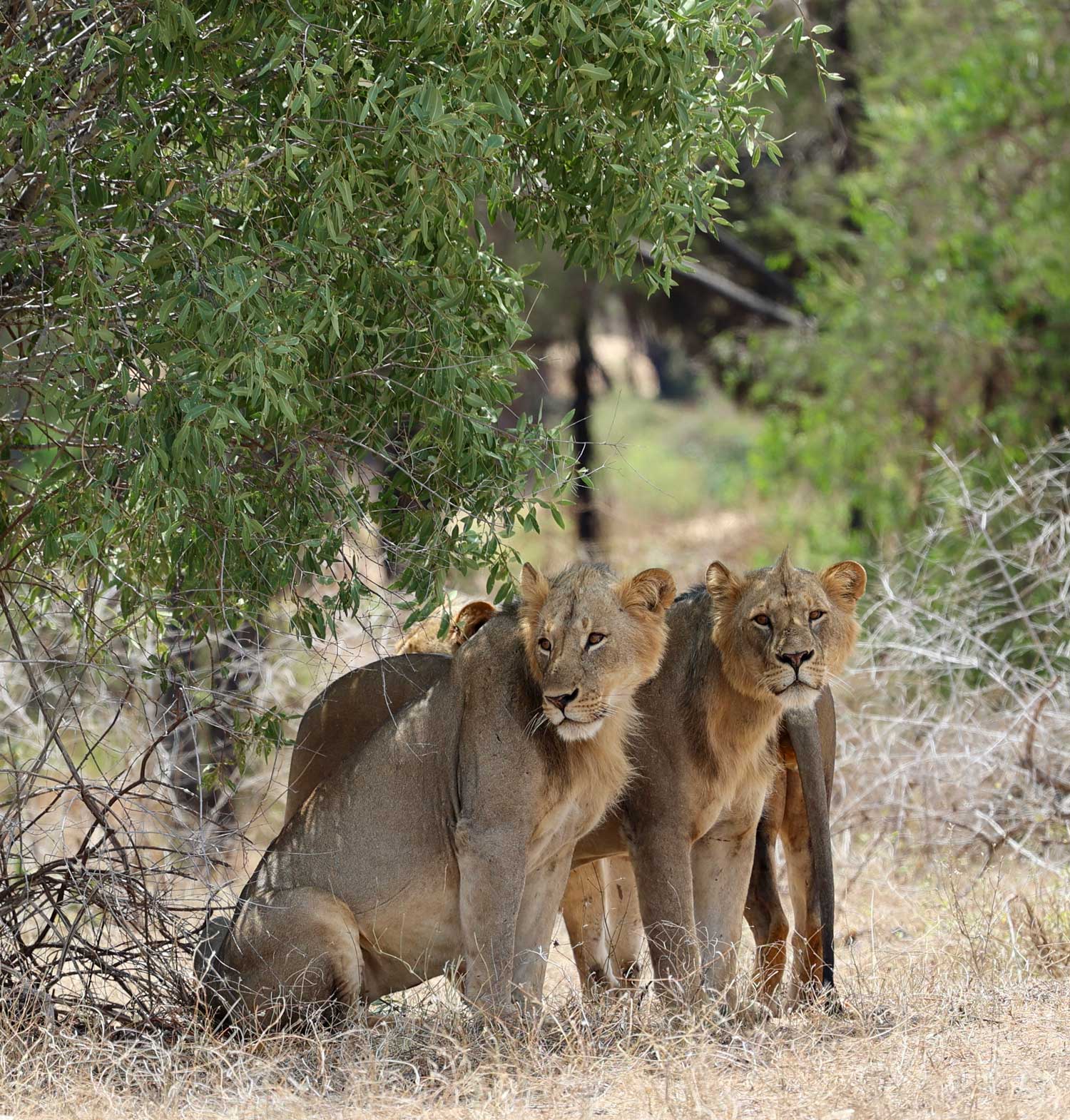
Tsavo’s lions are world-famous and a key population for the species in Kenya. The 2025 national census estimated around 448 lions in Tsavo, out of a national total of 2,512. In support of KWS and WRTI, and with the Lion Recovery Fund, Tsavo Trust helps sustain the monitoring and security that keep Tsavo’s lions safe.
Working together · Since June 2026
The Tsavo Carnivore Hub.
In June 2026, WRTI convened the first Tsavo Carnivore Coordination Forum, bringing together WRTI, KWS, Tsavo Trust and partners from across the landscape to share data and align carnivore conservation. It is exactly the kind of coordinated, evidence-led effort Tsavo’s predators need, and Tsavo Trust is proud to help make it happen.



Made possible by
Tsavo Trust’s carnivore work is delivered in support of KWS and WRTI, with the backing of dedicated conservation funders.


Why it matters
A landscape keeps its balance only when its predators remain.
Lions and African Painted Wolves shape the whole ecosystem around them, and both face snares, disease and shrinking space. Monitoring shows where they are and what threatens them; community work reduces the conflict that so often kills them. Together, in support of KWS and WRTI, this is how Tsavo stays a place where predators still run.
Help Tsavo’s predators run free.
Your support sustains the monitoring, protection and community work that keep lions and African Painted Wolves in the landscape.