
The Impact • 2013–2025
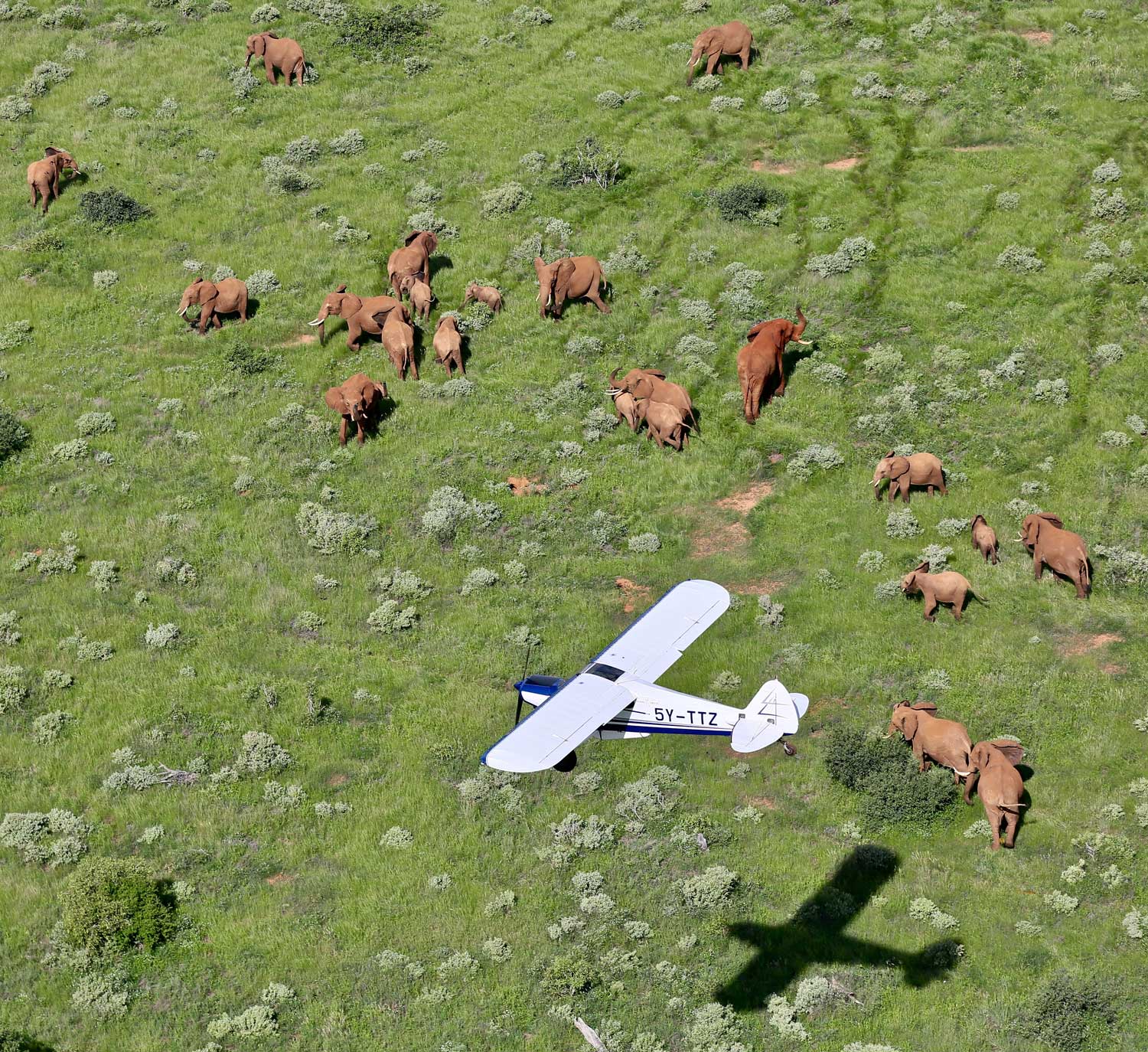
A landscape the size of the Tsavo Conservation Area cannot be protected from the ground alone. Our aircraft cover in a single hour what a foot patrol covers in a week, locating wildlife, spotting incursions and carcasses early, and guiding teams straight to where they are needed.
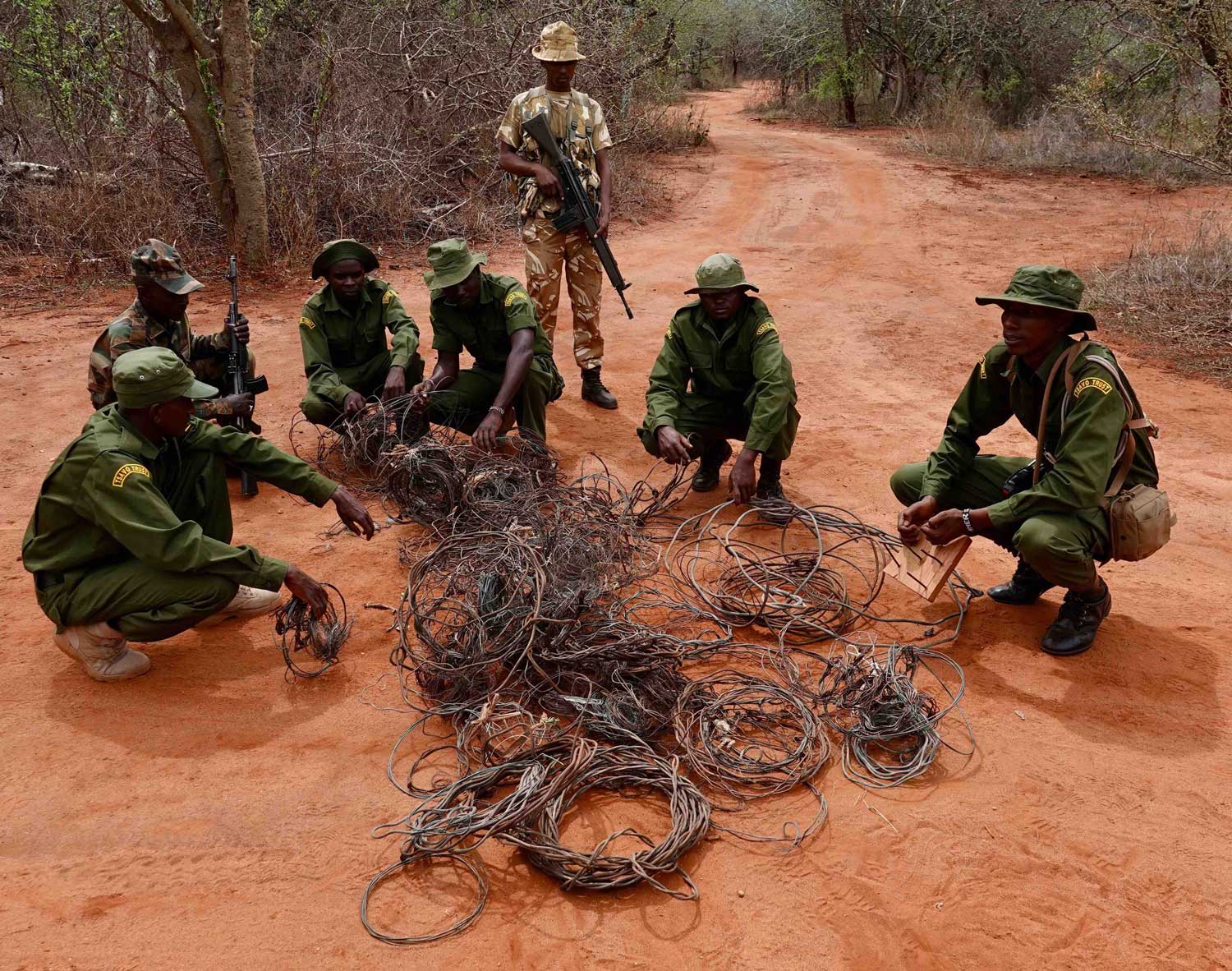
On the ground, our field teams hold a permanent presence in the places that matter most, patrolling on foot and by vehicle, clearing snares, and responding to what the aerial unit reports. In support of KWS and WRTI, and alongside their rangers, the two units function as a single protection system across the TCA.
The Aerial Unit
The first to see, the first to know.
From a single aircraft in 2013, the Aerial Unit has grown into a four-aircraft fleet, the eyes over Tsavo that locate wildlife, spot incursions and guide the ground teams, in support of KWS.
Building the fleet
2013
First aircraft
Aerial reconnaissance begins over Tsavo, a single aircraft covering the whole landscape.
2024
R44 helicopter
A game-changer for close-in operations and rapid response, delivering far greater capability at a relatively low cost.
2025
Savannah aircraft
Added reach and endurance for wide-area patrols, with very low running costs that stretch every donated dollar further.
The Ground Teams
Where protection meets the ground.
Today, in support of KWS and WRTI, Tsavo Trust fields seven ground protection teams and six monitoring teams, over 40 rangers and field personnel who hold a permanent presence where it counts
Why it matters
The air finds it. The ground answers it. Neither works without the other.
A threat spotted from the air is a threat cleared before it kills. A carcass found early is an investigation that can still catch those responsible. This constant loop between the sky and the ground, sustained day after day, is what has helped drive elephant poaching in Tsavo down by more than 95% against its 2013 baseline, in support of KWS.
Keep the aircraft flying and the teams moving.
Fuel, maintenance and field rations are the daily cost of protection. Your support keeps both units in the field.